The expression of interest for Catalysing Rubin Science in the Asia-Pacific is open. Please complete the form below to apply for a place. Applications are due by 22 September 2026. Applicants will be notified by early October 2026. By registering, applicants agree to abide by our Code of Conduct. Agreement to the code of conduct is required for participation.

Catalysing Rubin Science in the Asia-Pacific
1–5 February, 2027 in Perth, Australia
A hands-on workshop connecting early-career researchers and PIs across Asia-Pacific time zones with the Rubin Observatory LSST community. In Perth, small international teams will work with Rubin’s Data Products and Alerts to produce publications and open-source software.
Applications due 22 September 2026 · notifications by early October 2026
Topic Areas
Each topic area will have one Asia-Pacific and one international facilitator, with five project teams of up to six participants. These are our anticipated topic areas, and we welcome Rubin related project proposals from other disciplines as well.
Galactic · Time domain/transients · Solar system · Synergies with other observatories · Software development · Extragalactic/Cosmology
About You
For this workshop, we welcome applications from students, early-career researchers, and researchers at any career stage. You do not need Rubin data rights to apply, and we welcome scientists with interdisciplinary research backgrounds. We aim to create an interdisciplinary environment with diversity across universities, institutions, career stages, and research backgrounds.
Registration
Meeting Details
Venue Details
Venue: Curtin University, Kent Street, Bentley WA 6102, Australia
Event dates: 1–5 February, 2027
Questions: Please contact the LOC.
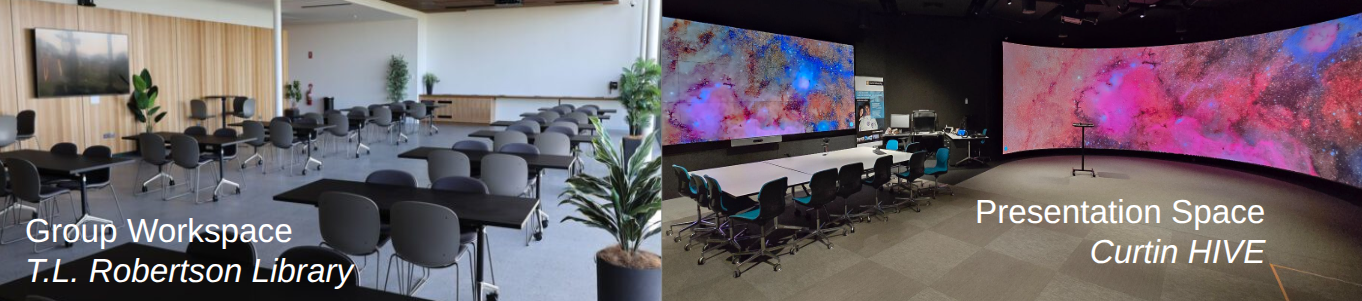
Most of the week will take place in workspaces on the 7th floor of Curtin’s T.L. Robertson Library, with the opening session on Monday at Curtin’s Hub for Immersive Visualisation and eResearch (the Curtin HIVE). See below for more information.
Format & agenda
There will be an online preparation meeting in October 2026 ahead of the in-person workshop, so that project teams can plan before arriving in Perth. Details will be shared with registered participants closer to the time.
The in-person meeting is a hack-week style workshop. Participants are organised into project teams in advance. Each team gives brief progress updates during the week with hopes that they will continue collaborating afterwards aiming for a publication or a public software release.
Monday: introductions and opening session at the Curtin HIVE, followed by project setup.
Tuesday–Friday: project work in the T.L. Robertson Library workspaces.
Friday: teams present their results.
Visa information
International participants may need a visa to travel to Australia. Please check your requirements and apply well in advance via the Australian Government Department of Home Affairs website.
Travel & transport
Nearest airport: Perth Airport (PER).
Getting around: Perth has a well-connected rail and bus network operated by Transperth. The Airport Line train is the main way to get from Perth Airport into the city and onward to Curtin University.
Weather & time zone
Early February is peak summer in Perth — expect warm, dry weather (typically high 20s–low 30s °C / high 70s–high 80s °F). Bring sun protection (hat, sunscreen, water bottle).
Perth is in Australian Western Standard Time (AWST, UTC+8) year-round (no daylight saving).
Travel funding
We recognise that the cost of travelling to Perth — especially for international participants — can be a significant barrier. The LSST-DA has provided funding to help offset the costs of travel. However, we are unlikely to be able to help fund the entire costs and participants will need to secure their own funding for accommodation/meals/etc. Funding will be distributed on an as-needed basis, with the goal of maximising participation and supporting diversity across institutions, career stages, demographics, and geographic regions.
FAQ
Why an Asia-Pacific focused DP2 workshop instead?
Rubin/LSST meetings are typically scheduled for the Americas and Europe, which makes it hard for researchers in Asia-Pacific time zones to join at convenient hours. This workshop gives Asia-Pacific researchers a dedicated, in-person opportunity to engage with LSST science and collaborations.
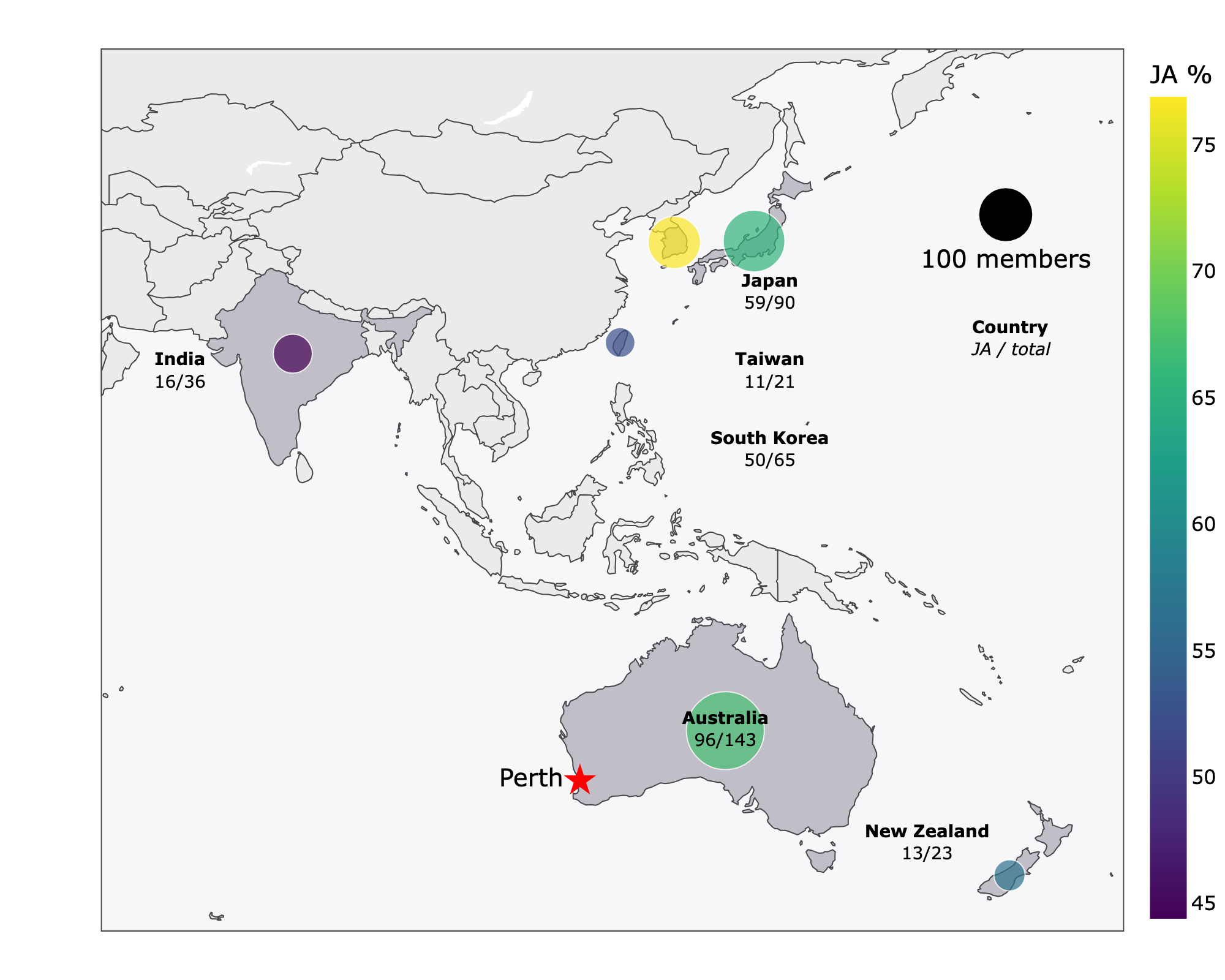
I’m not based in the Asia-Pacific region. Can I still participate?
Yes. However, participants should be committed to building and strengthening collaborations across the region.
When are applications due, and how many people can attend?
Applications are due by 22 September 2026. Applicants will be notified by early October 2026. We expect to host approximately 30 participants.
I’m worried about the cost of travelling to Perth. Is support available?
We recognise that the cost of travelling to Perth — especially for international participants — can be a significant barrier. The LSST-DA has provided funding to help offset the costs of travel. However, we are unlikely to be able to help fund the entire costs and participants will need to secure their own funding for accommodation/meals/etc. Funding will be distributed on an as-needed basis, with the goal of maximising participation and supporting diversity across institutions, career stages, demographics, and geographic regions.
Do I need data rights to apply?
No. Not all projects require data rights, and you will be informed which projects do ahead of the workshop.
Do I need to be an astronomer to apply?
No. While a background in astronomy is welcome, we’re especially keen to hear from applicants with backgrounds in statistics, data science, and machine learning.
More questions will be added here.
Organisers
This page lists the people organising the meeting. Curtin University is our host institution — see Meeting Details for venue information. For supporting and partner organisations, see Supporting Organisations on the home page.
Local Organising Committee
LSST-DA membership for all Local Organising Committee members is via Astronomy Australia Limited.
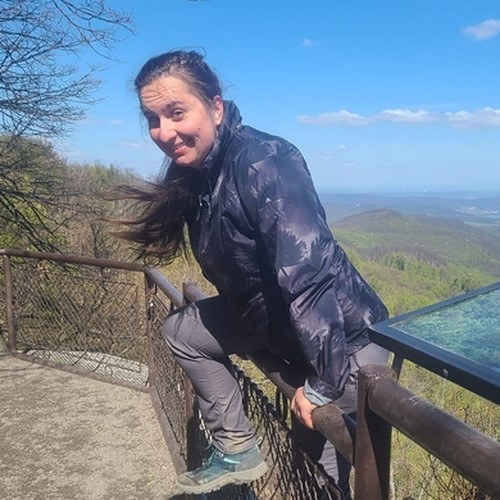
Kristen Dage
Curtin University · SMWLV Co-Chair
Research interests: Black holes, star clusters, time-domain astronomy, machine learning.
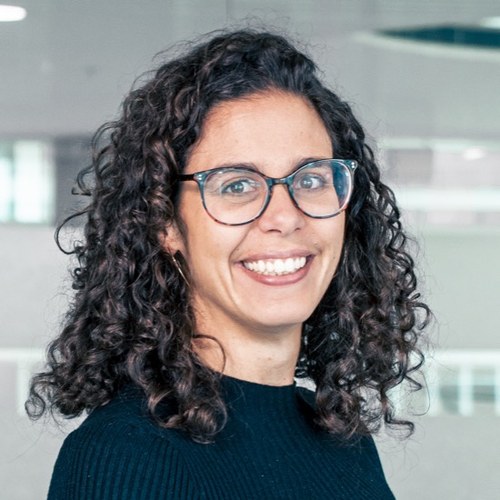
Anais Möller
Swinburne University of Technology · DESC
Research interests: Supernova cosmology, extragalactic transients, time-domain astronomy, machine learning.
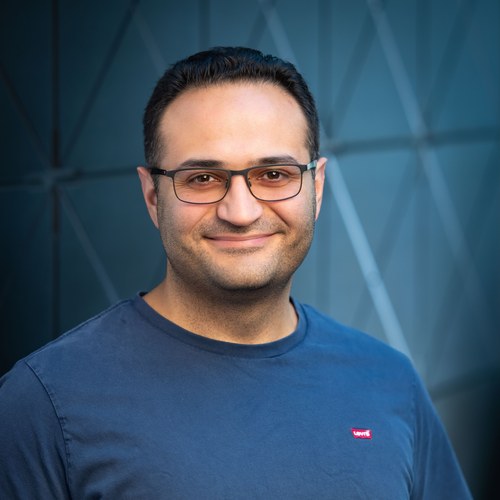
Arash Bahramian
Curtin University · SMWLV/TVS
Research interests: Multi-wavelength studies of Galactic black holes, particularly those in binaries with other stars; astro-statistics, including time-domain data and physical-statistical Bayesian models.
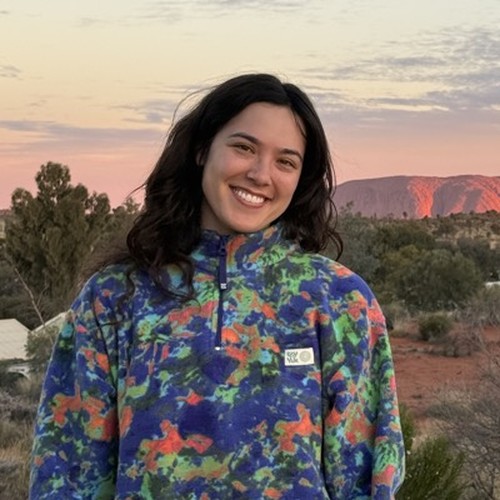
Sabrina Berger-Marcelo
University of Melbourne/CMU · AGNSC/ISSC
Research interests: Black holes, FRB host galaxies, and machine learning.

Alexey Bobrick
Research interests: Galactic populations of stellar interaction products, variable stars and extragalactic transients.
Student Representatives
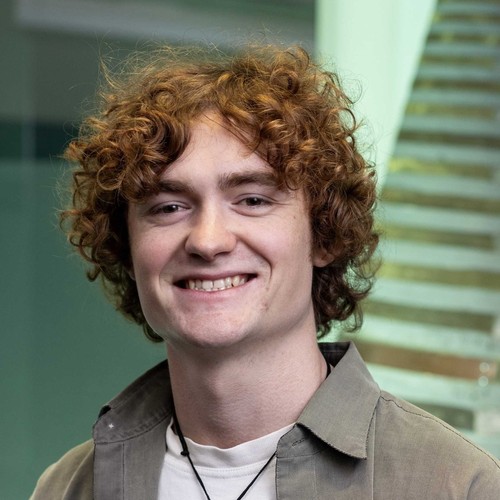
Hugh Roxburgh
Curtin University · TVS/GSC
Research interests: Time-domain astronomy, FRB cosmology, fast extragalactic transients.
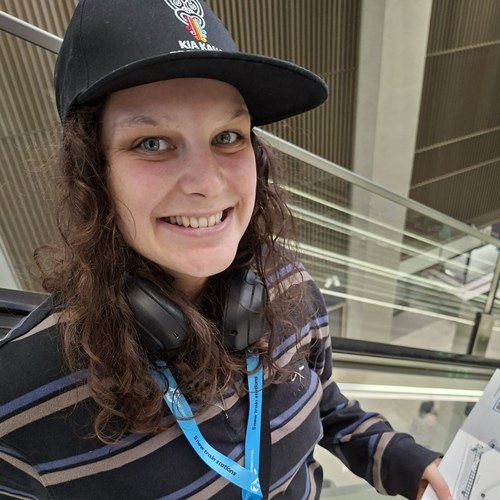
Jasmine Anderson-Baldwin
Swinburne University of Technology · SMWLV
Research interests: Star clusters, binary evolution, transients, N-body simulations.
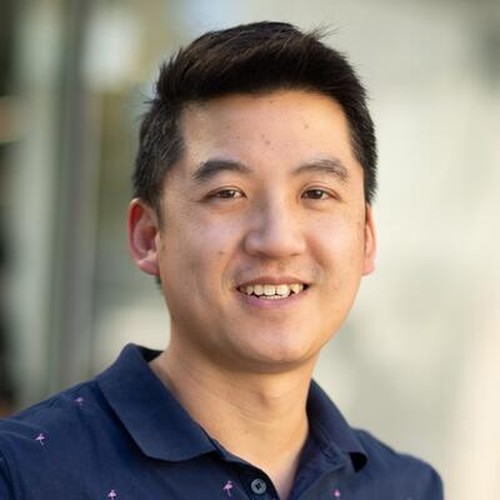
Shih Ching Fu
Curtin University · ISSC
Research interests: Astrostatistics, time-domain astronomy, and Bayesian inference.
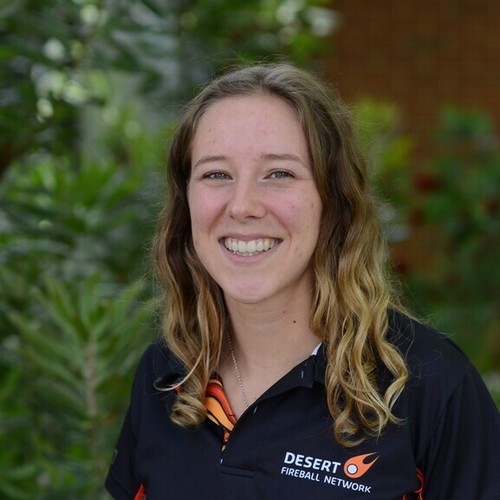
Sophie Deam
Curtin University · SSSC
Research interests: Asteroids and planetary defense.
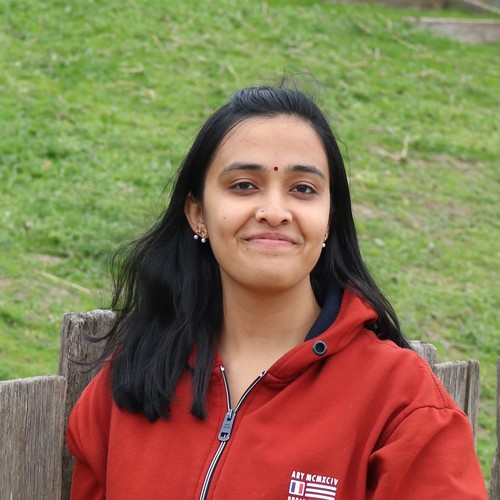
Sruthi Suresh
University of Melbourne · AGNSC
Research interests: Active Galactic Nuclei (AGN), Changing look AGN (CL AGN).
Science Organising Committee

Abhirup Datta
Indian Institute of Technology Indore · SOC
Research interests: Astrostatistics, galaxy clusters, cosmology, machine learning.
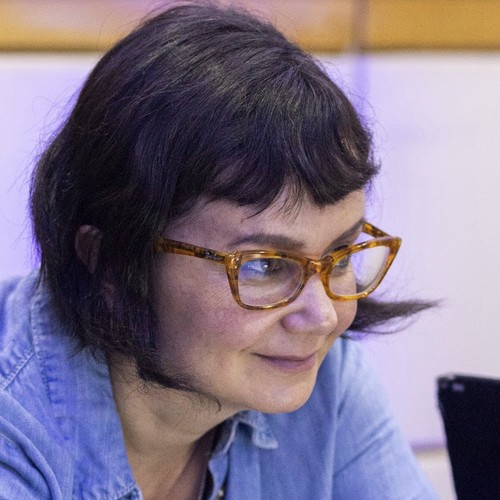
Ana Chies Santos
Universidade Federal do Rio Grande do Sul (UFRGS), Brazil · Galaxies & SMWLV SCs, co-chair Star Clusters Working Group
Research interests: All things Galaxies & Star Clusters.

Bolivia Cuevas Otahola
Instituto de Astronomía, Universidad Nacional Autónoma de México (IA-UNAM) · SMWLV Variable Stars SWG Co-Chair
Research interests: Variable stars, star clusters, time-domain astronomy, machine learning, population synthesis models.

Giulia Golini
UNSW · Galaxy Science Collaboration
Research interests: Galaxy formation and evolution; dwarf galaxies; intracluster light; low surface brightness imaging; astronomical surveys; dark matter models; data analysis.
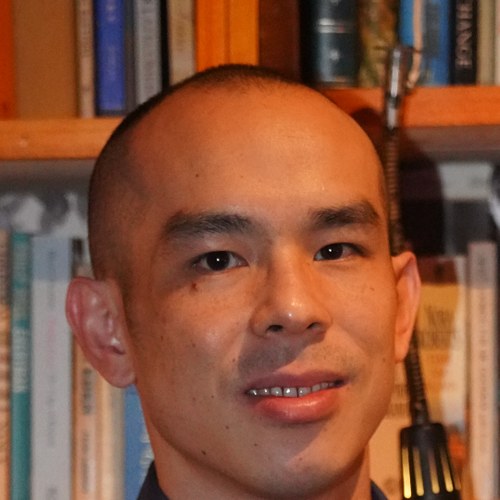
Kenneth Wong
RESCEU, University of Tokyo, Japan · SLSC
Research interests: Strong gravitational lensing, cosmology, galaxy evolution.
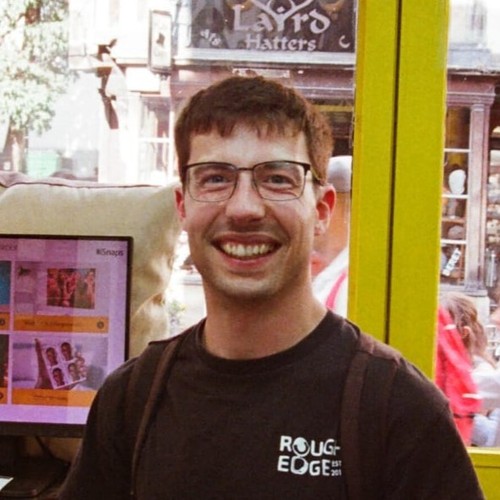
Matthew Hopkins
University of Canterbury, NZ · SSSC
Research interests: Interstellar objects, comets, and the Milky Way.
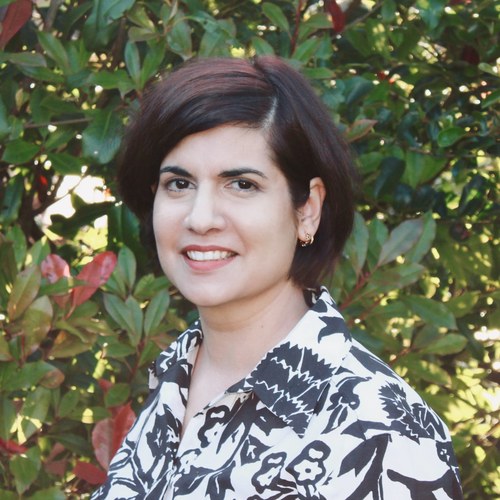
Preeti Cowan
University of Auckland, NZ · SSSC
Research interests: Asteroids, comets, active objects, machine learning.
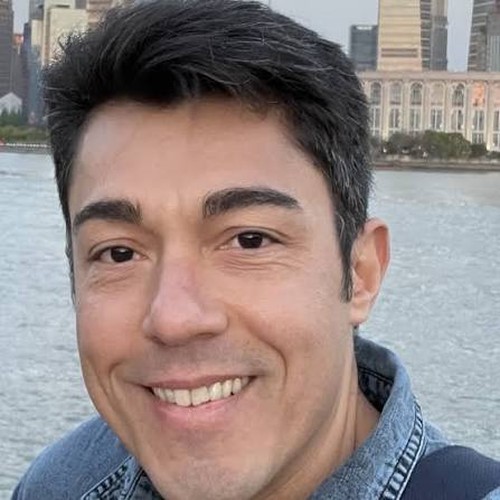
Rafael S. de Souza
University of Hertfordshire, UK · ISSC
Research interests: Astrostatistics, machine learning, galaxy evolution, Galactic structure, time-domain astronomy, cosmology, and scientific software, differential geometry.
Code of Conduct
This meeting will adhere to the LINCC Frameworks Code of Conduct. Any reported violations will be addressed by the meeting organisers in consultation with the LSST Discovery Alliance.
In brief, this code promotes an inclusive and respectful environment in all online and in-person interactions. Participants are expected to treat others respectfully, properly acknowledge contributions, welcome questions, provide constructive feedback, and speak up when they witness inappropriate behaviour.
Please contact the organisers with any questions or concerns.
Similar Events
LSST is Here! DP2 Hackathon
August 18–19, 2026
University of Delaware, USA
Rubin-LSST Alert Brokers: alerts to discoveries
November 2–5, 2026
IUCAA, Pune, India
Rubin Early Data Preview 2 Hack Week
August 17–21, 2026
Princeton University, USA
Supporting Organisations
This event is supported by Schmidt Sciences and LSST Discovery Alliance.




Organiser Host Institutions